



RESPECTING TAXPAYERS
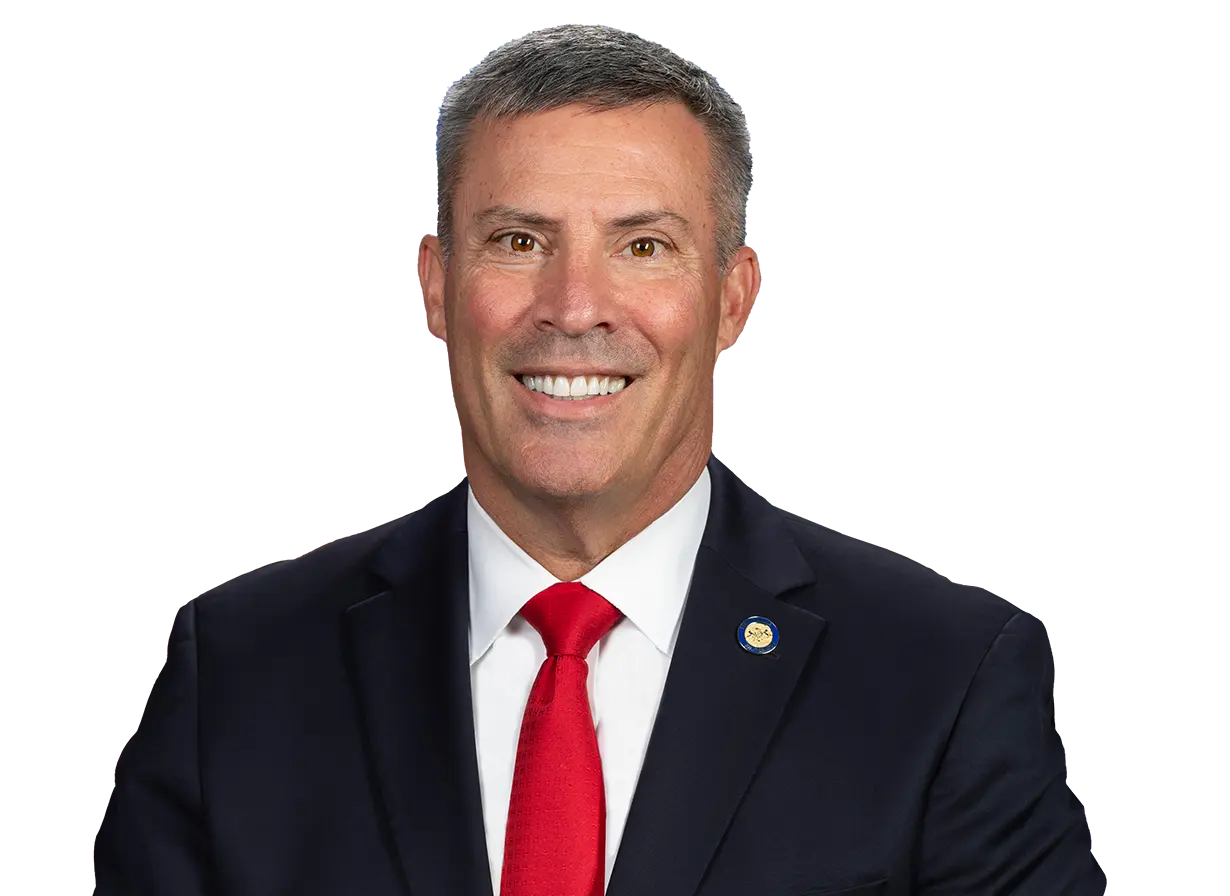
Respecting taxpayers is one of my top concerns as your state Senator. I believe in openness and transparency in your state government and have made that a priority while in public office.
From day one of being sworn into the Senate, I have turned down many of the lavish perks offered to members of the General Assembly. In fact, as your state senator, I declined the public pension, did not enroll in the Senate’s healthcare plan, nor do I use a state vehicle. I do not submit for mileage for events throughout the 34th District nor do I seek reimbursement to travel to and from the state Capitol.
PROVIDING TRANSPARENCY
As a state legislator I have always supported efforts to make information about state government, particularly government spending, more easily accessible to the public. Afterall, every penny the government has comes from taxpayers. It’s your money.
Open Records Law
Pennsylvania’s Open Records Law (Act 3 of 2008) makes many government records easily available to interested residents. Information about how to request records from any state executive branch office or local government office is available from the Office of Open Records. Information about requesting records from the Senate, the House, and the state Judiciary is also available.
Online Contract Database
Pennsylvania’s new Open Records Law also created an online contract database. State contracts valued at $5,000 or more are included in this database, which can be searched by agency, contracting party, contract amount, date, and subject matter.
PennWATCH: Online Budget Database
Act 18 of 2011requires the creation of a complete online state budget database known as PennWATCH. This database, designed to make details of state spending easily and freely accessible, became available on December 20, 2012.
Live Senate Video Feeds
Senate sessions can be viewed from any computer with an Internet connection using the Senate Session Live feed at the Senate’s website. A similar feed is available for House sessions.
Online Bill Room: Roll Call Votes and Fiscal Notes
The General Assembly’s website includes links to fiscal notes for those bills that have been considered by the Senate or House Appropriations Committee. Roll call votes for every bill considered in a Senate committee, in a House committee, on the Senate floor, or the House floor are also available there.
Website for Mobile Devices
The General Assembly also has a website for mobile devices. Users can search for bills by number or keyword as well as read bill text, access information about legislative committees, watch or listen to Senate and House sessions, and contact members of the General Assembly.
Sunshine Law: Tougher Penalties
Act 56 of 2011 strengthens penalties for violating Pennsylvania’s Sunshine Law, which requires public access to open meetings and the opportunity for public comment.
Senate Rules of Ethical Conduct
On June 15, 2010, the Senate adopted a set of Rules of Ethical Conduct to make the division between legislative and campaign work clear, to provide annual ethics training, and to establish strong penalties for violations.
Independent Fiscal Office
Pennsylvania’s new Independent Fiscal Office was created by Act 120 of 2010 to improve the state budget process. The office’s responsibilities include preparing annual revenue estimates, providing an annual assessment of the state’s fiscal condition, developing performance measures for state programs, and analyzing tax and revenue proposals made by the Governor or the Office of the Budget. More information is available at the IFO’s website.
Other Sources of Information
In addition to those listed above, the following resources provide additional information designed to make the operation of state government more transparent and accountable.
Lobbyist Disclosure Reports
Pennsylvania’s Lobbying Disclosure Law, Act 134 of 2006, requires lobbyists and principals (the companies and individuals who hire lobbyists) to file quarterly reports. The Department of State maintains an online database of lobbyists, principals and the required reports.
Statements of Financial Interest
The Governor, members of the General Assembly, and other public officials are required to file Statements of Financial Interest with the State Ethics Commission. The Statements of Financial Interest are all available on the Commission’s website.
More information about state government is available on Facebook, and by signing up for Email Updates on my homepage.